Best 3D Printers for Miniatures & Tabletop Gaming
Miniature printing is where resin printers shine. The difference between FDM and resin for a 28mm miniature is night and day — resin captures details that FDM physically can't reproduce at that scale. If you're printing D&D minis, Warhammer figures, or any tabletop gaming pieces, resin is the answer.
In a hurry? Our top picks:

What to look for
XY resolution
Measured in microns (μm). Lower is better. 18-28μm captures armor rivets, facial features, and weapon details on 28mm figures.
Build plate size
Bigger plates = more minis per batch. A 6-inch plate can fit 10-15 standard minis. A 10-inch plate fits 30+.
Z-axis precision
Layer heights of 0.02-0.05mm are standard for minis. Virtually all modern resin printers achieve this.
Community profiles
Elegoo and Anycubic have the most community-shared resin profiles and settings for miniature printing.
Quick comparison
| Printer | Build Volume | Max Speed | Tech | Price |
|---|---|---|---|---|
| Elegoo Mars 5 Ultra | 153×78×165mm | 150 mm/h | resin | $269 |
| Creality Halot-Mage S | 223×126×230mm | 170 mm/h | resin | $459 |
Our picks
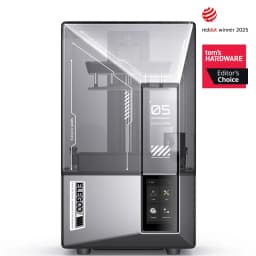
Elegoo Mars 5 Ultra
- • $269 — Elegoo Mars 5 Ultra
- • Enclosed for ABS/ASA and quieter printing
- • Auto-leveling for hassle-free setup
- • 18μm XY resolution for fine detail

Creality Halot-Mage S
- • $459 — Creality Halot-Mage S
- • Enclosed for ABS/ASA and quieter printing
- • Auto-leveling for hassle-free setup
- • 17μm XY resolution for fine detail
Common mistakes to avoid
- ×Buying a 4K printer when 12K is available at the same price — resolution matters enormously for minis
- ×Using cheap resin that yellows or becomes brittle after curing
- ×Not investing in a wash & cure station — hand-washing with IPA works but is tedious
- ×Over-curing prints — they become brittle. Follow recommended cure times per resin.